
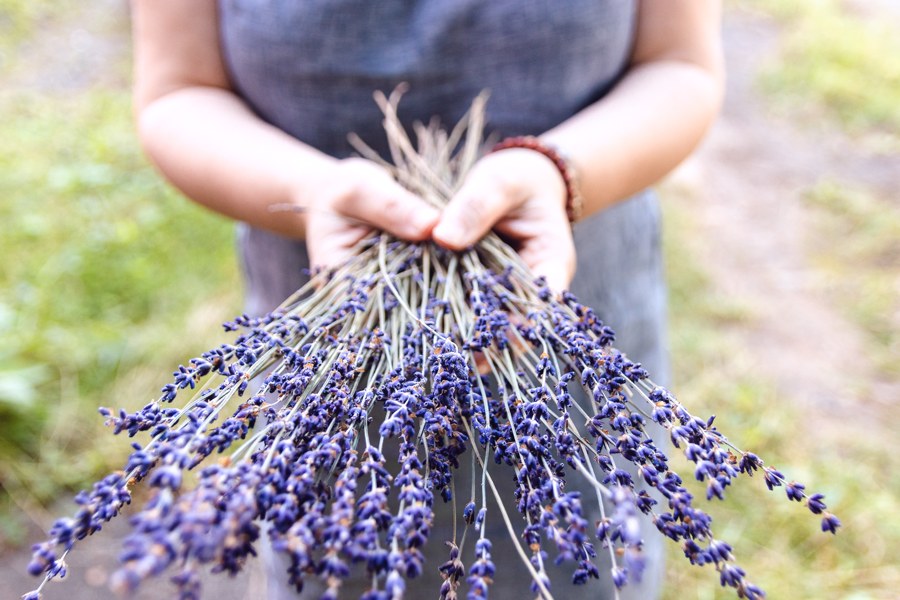
Lavender is one of those plants we instantly recognize. Its purple flowers, distinctive scent and love of sun make it a familiar sight in gardens throughout the summer.
Yet not all lavender is the same. The genus Lavandula includes many species and hybrids, each with a slightly different appearance, scent and composition. Two of them are particularly common: lavandin and true lavender.
Lavandin
Lavandin (Lavandula × intermedia) is a natural hybrid and one of the lavenders most commonly grown in gardens and parks.
It usually grows taller and produces larger flower spikes than true lavender. Its scent is also stronger, sharper and more camphoraceous, which is why lavandin essential oil is often used for scenting rooms, soaps and household products.
Although visually similar to true lavender, its essential oil has a different aromatic composition. This is worth knowing when choosing lavender not simply for its fragrance, but also for use in skincare or aromatherapy.
True lavender
True lavender (Lavandula angustifolia) has a softer, sweeter and more delicate fragrance. Its essential oil is naturally rich in aromatic compounds such as linalool and linalyl acetate.
The plant itself is usually smaller than lavandin and blooms from late spring into summer. Its flowers can also be used in small amounts in cooking and baking.
The quality and aroma of lavender essential oil depend on many things: the variety, growing conditions, harvest and also the way the plant material is distilled. This is one of the reasons why two bottles labelled simply “lavender essential oil” do not necessarily smell exactly the same.
Perhaps this complexity is part of lavender’s enduring appeal. Its scent can be floral, herbal and fresh at the same time – familiar, yet never quite simple.
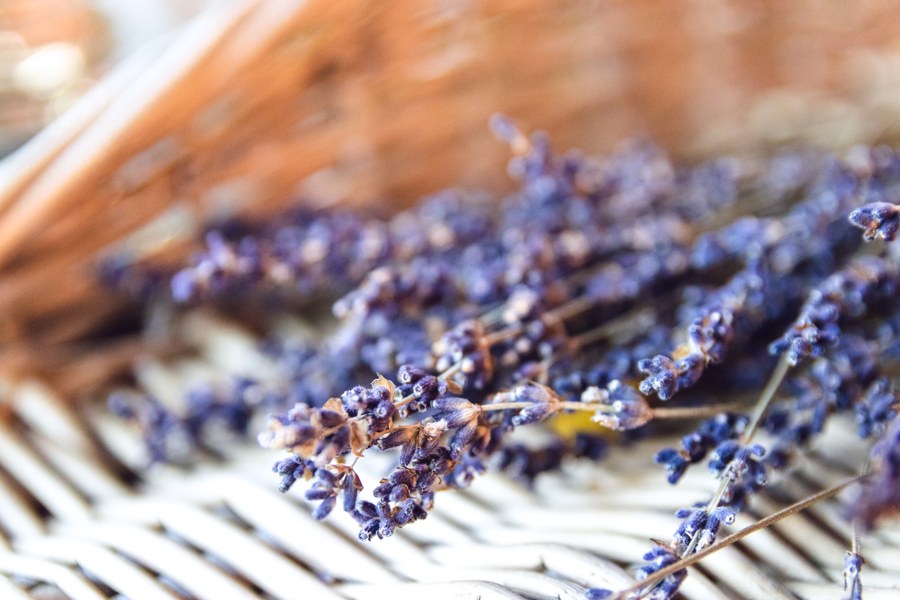
Lavender in skincare
Lavender has a long tradition of use in body care and natural cosmetics. Today, lavender essential oil is valued particularly for its characteristic fragrance and its place in gentle botanical formulations.
As with all essential oils, however, more is not necessarily better. Essential oils are highly concentrated substances and in skincare they should be used in appropriate, carefully considered amounts.
Lavender is also one of the botanical ingredients I have used in IZISTEP formulations. You can find it, for example, in selected soaps and skincare products where it complements plant oils and other botanical ingredients.
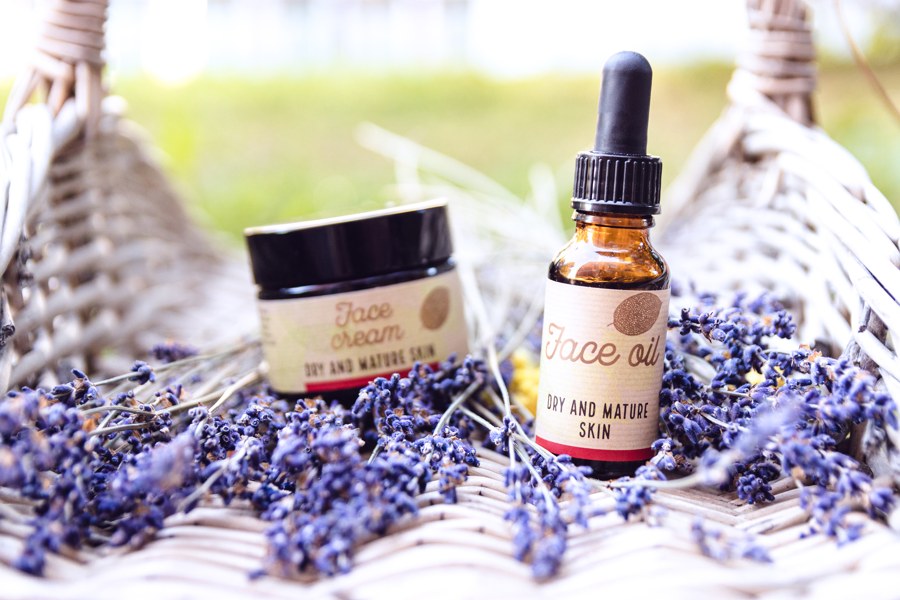
For me, this is where lavender is at its best: not as a plant that promises to solve everything, but as one carefully chosen part of a thoughtful formulation.
Perhaps that is why, after all these years, lavender still deserves to be called a queen.